
Property Improvement & Land Clearing
Stump Grinding vs. Removal in North Idaho: Which One Do You Need?
Mick · August 6, 2026
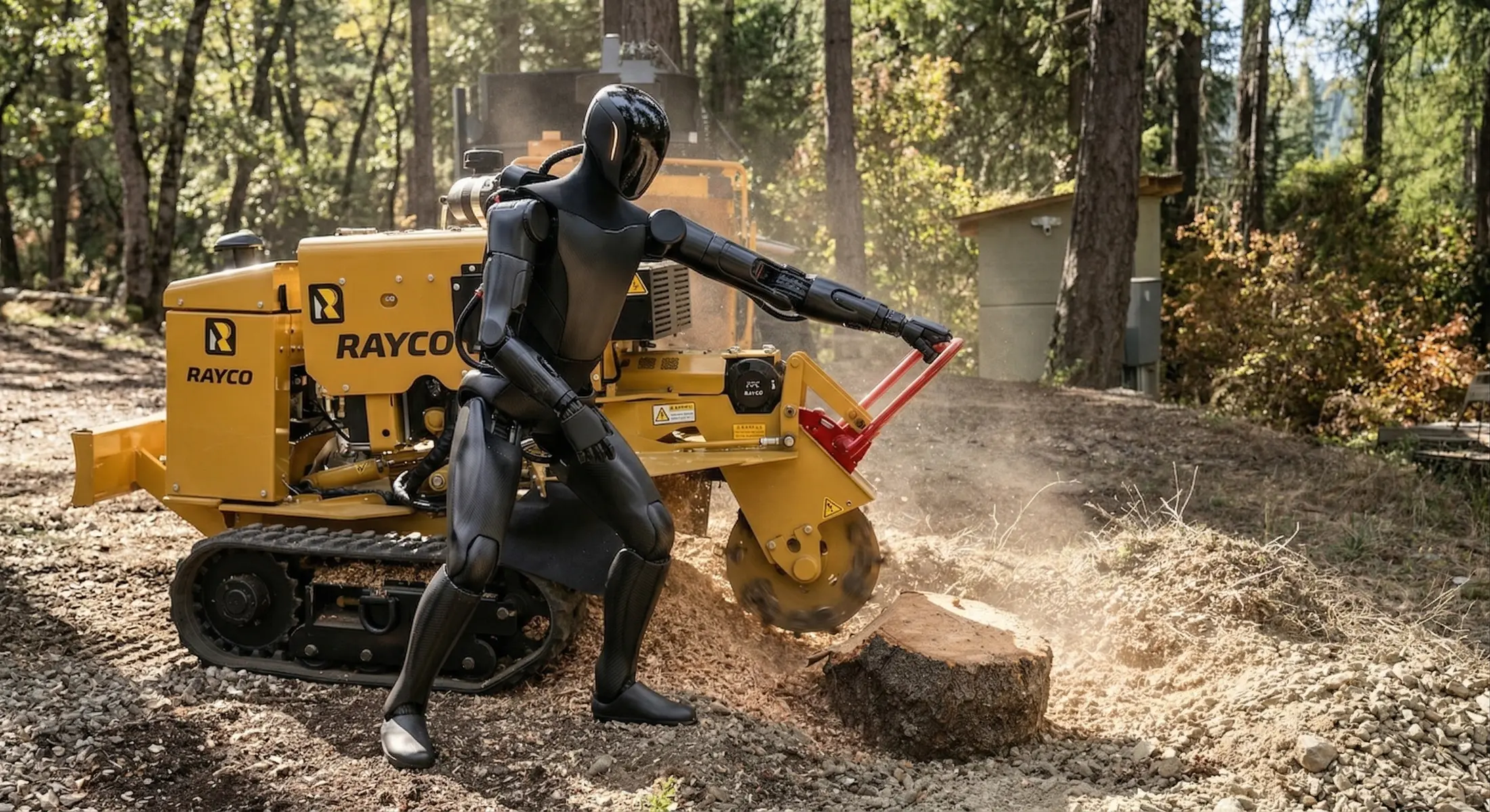
The short answer: Grinding is the right call for almost every stump: the machine chews the stump into chips several inches below grade, you backfill, and grass grows over it within a season. Full removal, pulling the stump and root ball out with an excavator, is for building sites and septic work where the roots themselves have to go. Grinding costs less, disturbs less ground, and handles our rocky soils better.
After a removal, the stump is the part everybody underestimates. A conifer stump in North Idaho does not rot away in a couple of summers. In our dry-summer climate, a big ponderosa or fir stump can sit there mostly intact for twenty years or more, sprouting a fresh crop of mower dings, ant colonies, and trip hazards the whole time. The question is not whether to deal with it but how: grind it or pull it.
Grinding vs. pulling: how to choose
Stump grinding uses a carbide cutting wheel to chew the stump into chips, working from the top down and side to side until the wood is gone below ground level. The roots stay in the ground and decay slowly in place. The site is left as a shallow crater of chips that gets backfilled.
Stump removal means excavating: digging around the root ball and pulling the whole mass out with a machine. It leaves a genuine hole, often a surprisingly big one, and a pile of root wad and dirt that has to go somewhere.
Grinding wins when the goal is a mowable lawn, a clean planting bed, a fence line, or simply not looking at the stump anymore. It is faster, cheaper, and gentle on the rest of the yard, and a tracked grinder can slip through a 36-inch gate that no excavator fits.
Pulling wins in a short list of situations: a building pad or garage slab going where the roots are, a septic system or waterline route through the root zone, or a full lot-clearing job where an excavator is already on site anyway. If you are clearing a building site rather than tidying a yard, that is really a lot clearing job, and stumps come out as part of the package.
One honest note: if you plan to replant a tree in the same spot, grinding alone is not quite enough. We can grind deeper on request and clear the chips out so you are planting in soil, not sawdust.
How deep does grinding go?
Standard grinding takes the stump 6 to 8 inches below grade, which is plenty for lawn, seed, and sod. For replanting, garden beds, or spots where a footing or post might land later, we can grind 12 inches or deeper, and chase the big surface roots that flare out from the trunk. Species matters here: ponderosa pine sends down a taproot but its cuttable mass is close to the surface, while fir and spruce spread wide, shallow root flares that need chasing if you want a truly clean area.
Depth is also where North Idaho ground makes itself known. Much of our service area sits on glacial soils: the sand and cobble of the Rathdrum Prairie, and the rocky till of the Selkirk foothills around Blanchard, Spirit Lake, and Priest River. Rocks are the enemy of grinder teeth. A stump grown around glacial cobbles slows the job and dulls the wheel, and buried surprises like old concrete, fence wire grown into the wood, or a forgotten sprinkler line are the reason we walk the site before the machine starts. Flag your irrigation heads and tell us about any buried lines you know of; for anything deeper we call in utility locates before excavation work.
For tight spots, slopes, and lakefront lots, we run a remote-operated grinder. The operator stands clear with a controller while the machine works, which means it can grind on ground too steep or too soft to stand a rider machine on, and it fits through gates that would stop a truck-towed rig.
What happens to all those chips?
A big stump makes a startling volume of grindings: the stump’s own wood plus the soil mixed in, often two or three times the visible stump’s bulk. You have options, and this is the part most companies never explain.
Leave them as backfill. The standard finish is raking the chips back into the hole and mounding slightly, because the pile settles as it decays. Expect the spot to sink over the first year or two; top it up with soil and reseed and it disappears.
Know the nitrogen catch. Fresh wood chips tie up nitrogen at the soil surface as they break down. Grass seeded straight into a chip-filled crater comes in thin and yellow. For a good lawn patch, we recommend scooping out the top layer of chips, backfilling with real topsoil, and seeding into that.
Use them or lose them. Clean chips make decent mulch for paths and around ornamental beds. We can also haul them entirely, leaving you a soil-ready hole.
One beetle-country rule. Do not pile fresh pine grindings against the trunks of live pines in spring. The scent of fresh-cut pine briefly attracts pine engraver beetles during their spring flight, and a chip pile against a living tree is an invitation. Spread chips in the open sun, or have us haul them; it is a small detail that matters in a region where beetle-killed pines keep tree crews busy.
Will the stump grow back?
Here is some good news specific to our forests: the conifers that dominate North Idaho, pine, fir, larch, spruce, and cedar, do not resprout from a stump. Grind a fir stump and it is done. The sprouters are the broadleaf trees: cottonwood, aspen, birch, and willow will send up suckers from remaining roots for a few seasons. Grinding removes the stump’s energy reserves and most sprouting slows to nothing with a season of mowing, but on aspen especially, expect some stubborn volunteers and plan to mow them out.
We run stump grinding across the whole service area, from Blanchard and Spirit Lake down through Rathdrum and Post Falls and over the line into Newport and Deer Park. It is often same-visit work after a removal, and cheaper that way since the crew and equipment are already on site. The details are on our stump grinding and removal page.
Common questions about stump grinding in North Idaho
How long does it take to grind a stump?
A mid-size stump with decent access is usually under an hour of grinding. Big ponderosa stumps, rocky ground, or multiple stumps stretch the visit. Most residential jobs, including cleanup, are done in a morning. Access matters more than size: a stump behind a narrow gate on a slope takes planning.
Can you grind a stump close to my house or fence?
Yes. The grinder wheel works within a few inches of hard obstacles, and we shield windows, siding, and vehicles from thrown chips. Stumps tight against foundations or fence posts get finished carefully by hand where the wheel cannot safely reach.
Will grinding damage my septic system or buried lines?
Standard grinding stays in the top foot of soil, above most utilities, but shallow irrigation lines, invisible dog fences, and old cabin-era plumbing are real hazards. Walk us through what you know before we start, and for deep grinding or excavation we get utility locates first.
Why does the ground sink where the stump was?
Chip backfill settles as the wood decays and voids left by rotting roots collapse. It is normal, not a defect. Mound the fill slightly, expect a dip over the first year or two, and top-dress with soil before reseeding for a flat, permanent finish.
Do conifer stumps attract termites in North Idaho?
Buried wood draws carpenter ants and dampwood termites, both present in our area, though our dry summers keep pressure lower than in wetter climates. A stump near the house is still standing habitat. Grinding removes the food source, which is a better fix than treating insects year after year.
If there is a stump, or a whole retired orchard’s worth of them, in your way, reach out or call (208) 920-9979. We will look at access, quote it flat, and leave you a spot you can seed instead of mow around.